Get Residential Air Testing in Sedalia, CO
Residential Air Testing services for property owners in Sedalia, CO and nearby areas identify indoor air quality issues, mold, radon, or allergens through professional testing projects.
Residential air testing services provide property owners in Sedalia, CO with valuable insights into indoor air quality and environmental conditions. By identifying potential issues such as mold, allergens, or air pollutants, homeowners can take proactive steps to improve comfort and ensure a healthier living space. Regular testing can also help detect hidden problems that may affect the durability of building materials or lead to increased maintenance needs over time.
Choosing professional air testing offers benefits like enhanced safety, better indoor air circulation, and increased overall functionality of a home. When issues are identified early, property owners can address them before they develop into costly repairs or reduce curb appeal. Reliable testing services help create a more comfortable, safe, and well-maintained environment for residents in Sedalia, CO.
- Indoor air quality assessment - needed when residents notice unexplained odors, persistent allergies, or respiratory issues in their homes.
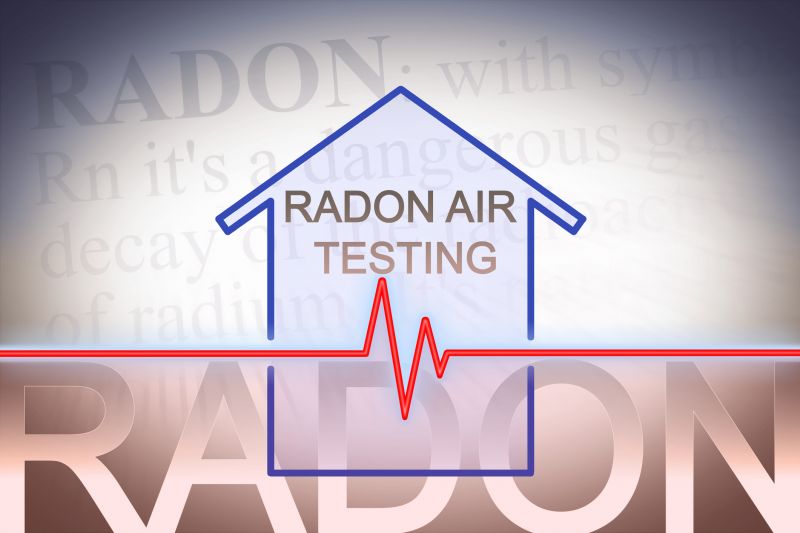
- Radon testing services - recommended for homeowners in areas with elevated radon levels or prior indoor air concerns.
- Vapor intrusion testing - useful when there is suspicion of hazardous vapors entering a residence from underground sources.
- HVAC system air testing - performed to identify airflow issues, mold growth, or contamination within heating and cooling systems.
- Post-remediation air testing - necessary after mold removal or chemical cleanup to ensure indoor air quality has been restored.

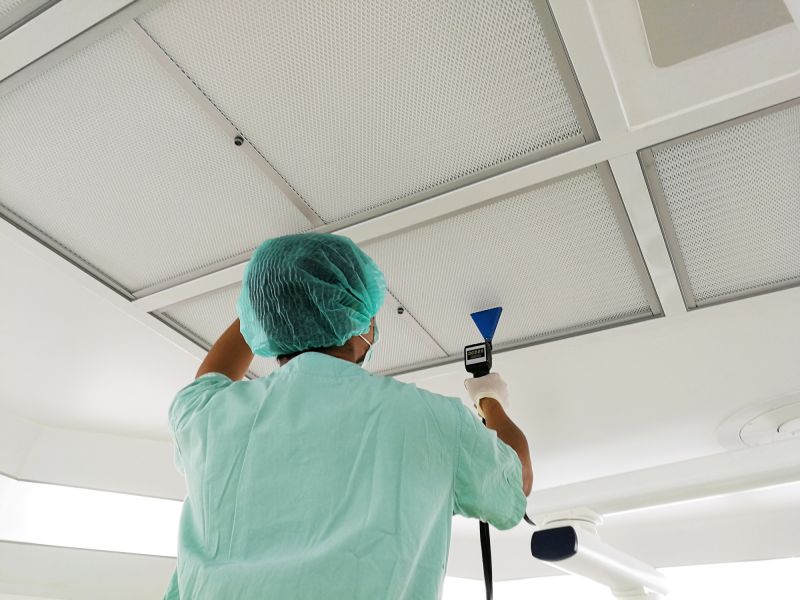
Residential air testing services involve evaluating indoor air quality to identify potential issues such as pollutants, allergens, or contaminants. These services typically include collecting air samples from various areas within a property and analyzing them for substances that could affect health or comfort. The process helps to detect airborne particles, volatile organic compounds (VOCs), mold spores, and other airborne hazards that may not be visible or detectable through routine cleaning or inspections. By pinpointing specific pollutants, homeowners can better understand the air quality in their living spaces and take appropriate steps to improve it.
This service is particularly valuable for addressing problems related to indoor air quality that can cause health symptoms or discomfort. Common issues include persistent odors, allergy or asthma symptoms, mold growth, or unexplained respiratory irritation. Residential air testing helps identify sources of indoor pollution, such as mold colonies, chemical off-gassing from building materials, or inadequate ventilation. Detecting these issues early allows homeowners to implement targeted solutions, such as improved ventilation systems, mold remediation, or air purification, to create a healthier living environment.
Properties that typically utilize residential air testing services range from single-family homes to multi-unit dwellings. Older homes with outdated insulation or ventilation systems often benefit from testing to uncover hidden mold or pollutants. New construction properties may also require testing to ensure that materials used during building do not emit harmful VOCs. Additionally, homes that have experienced water damage, fire, or other incidents that could lead to mold growth or air contamination often seek testing services. Overall, any residence concerned with indoor air quality or experiencing unexplained health issues may consider professional air testing.
Engaging with local service providers for residential air testing can help homeowners gain a clearer understanding of their indoor environment. These professionals use specialized equipment and techniques to accurately assess air quality levels and identify potential hazards. By addressing detected issues promptly, residents can improve their indoor air quality and reduce associated health risks. Contacting qualified local providers ensures that testing is performed thoroughly and that appropriate recommendations are made based on the findings.
The overview below groups typical Residential Air Testing projects into broad ranges so you can see how smaller, mid-sized, and larger jobs often compare in Sedalia, CO.
In many markets, a large share of routine jobs stays in the lower and middle ranges, while only a smaller percentage of projects moves into the highest bands when the work is more complex or site conditions are harder than average.
Initial Testing Costs - The starting price for basic residential air testing typically ranges from $200 to $400, depending on the size of the home and the complexity of testing required. For example, a standard single-family home in Sedalia, CO might fall within this range.
Comprehensive Testing Services - More detailed or extensive air quality assessments can cost between $400 and $800. These often include multiple tests or additional analysis to identify specific indoor air pollutants.
Additional Sample Analysis - If laboratory analysis of air samples is needed, costs can add $100 to $300 per sample. The total expense depends on the number of samples collected and the type of analysis performed.
Inspection and Testing Packages - Some providers offer bundled services combining testing with inspections, typically priced from $300 to $700. These packages may include consultation with local pros for recommendations based on test results.
Actual totals will depend on details like access to the work area, the scope of the project, and the materials selected, so use these as general starting points rather than exact figures.
Residential Air Testing services help identify indoor air quality issues by detecting pollutants, allergens, and contaminants within homes in Sedalia, CO, and nearby areas.
Indoor Air Quality Assessments provide detailed analysis of air samples to pinpoint sources of pollution and ensure healthier living environments.
HVAC System Testing evaluates the performance and efficiency of heating and cooling systems, ensuring proper air circulation and filtration in residential spaces.
Ventilation System Inspections assess the effectiveness of home ventilation to reduce moisture buildup and improve indoor air freshness.
Mold and Mildew Testing detects the presence of mold spores and related contaminants that can affect indoor air quality and occupant health.
Air Quality Monitoring involves continuous or spot testing to track pollutant levels over time, aiding in the identification of problem areas within homes.

When selecting a provider for residential air testing services, it’s important to consider the experience of the local professionals. An experienced contractor will have a thorough understanding of common issues related to indoor air quality and can provide reliable testing methods. Homeowners should look for providers with a proven track record in residential settings, which often translates to more accurate assessments and knowledgeable service. Ensuring that a local pros team has a history of working within the community can help guarantee they understand regional factors that may influence air quality concerns.
Clear and written expectations are essential when working with local air testing providers. Reputable professionals typically offer detailed descriptions of their testing procedures, what homeowners can expect during the process, and how results will be communicated. This transparency helps set realistic expectations and ensures homeowners are well-informed about the scope of testing and any follow-up steps. Having a comprehensive understanding of the service plan can contribute to a smoother experience and better decision-making based on the findings.
Reputable references and effective communication are key indicators of trustworthy local pros. Homeowners should seek out providers with positive references from previous clients, which can offer insights into their reliability and professionalism. Good communication throughout the process-such as prompt responses to inquiries and clear explanations of findings-also plays a vital role in ensuring a positive service experience. Since the information below connects users with local providers, it’s recommended to contact multiple options to compare their reputation, communication style, and how well they align with the homeowner’s specific needs.
Property owners in Sedalia, CO use Residential Air Testing services for practical projects around their homes and businesses. The sections below highlight everyday jobs and straightforward project options.

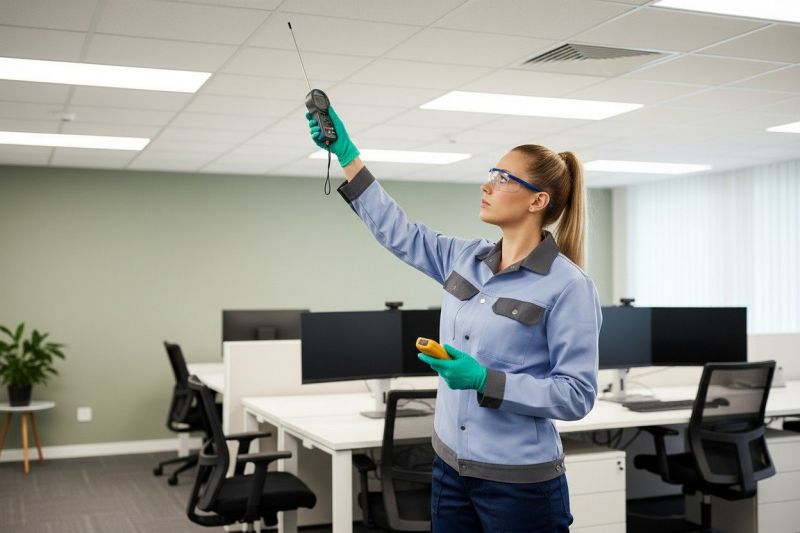
Residential air testing services are often sought by property owners in Sedalia, CO who are concerned about indoor air quality. Common situations include detecting mold growth after water damage, identifying sources of unpleasant odors, or assessing air quality in homes with allergy or asthma sufferers. These tests can help identify airborne pollutants, allergens, or contaminants that may be affecting residents’ health and comfort, providing valuable information for making informed decisions about indoor environmental improvements.
Homeowners may also consider air testing when renovating or remodeling, to ensure that dust, fumes, or other airborne particles are within safe levels during and after construction. Additionally, those experiencing unexplained respiratory issues or persistent symptoms may turn to local service providers for testing to pinpoint potential airborne hazards. Connecting with experienced professionals can assist in identifying issues early, supporting healthier living environments in Sedalia households.
What is residential air testing? Residential air testing involves evaluating indoor air quality by measuring pollutants, allergens, and other airborne substances to identify potential health or comfort issues.
Why should homeowners consider air testing? Homeowners may consider air testing to detect indoor air contaminants, improve air quality, and address issues like allergies or odors.
How is residential air testing performed? Local service providers typically use specialized equipment to collect air samples and analyze them for various pollutants and airborne particles.
How often should air testing be done? The frequency of air testing depends on individual concerns, recent renovations, or suspected air quality issues; consulting with local providers can help determine an appropriate schedule.
What issues can residential air testing identify? Air testing can reveal mold spores, volatile organic compounds (VOCs), allergens, dust, and other airborne contaminants that may affect indoor air quality.
Indoor Air Quality Testing - Professionals can assess indoor air quality to identify potential pollutants and allergens affecting health.
Ventilation System Evaluation - Experts evaluate existing ventilation systems to ensure proper airflow and reduce airborne contaminants.
Mold and Radon Testing - Local service providers conduct tests for mold spores and radon levels to detect hidden hazards indoors.
Air Sampling Services - Specialists perform air sampling to measure airborne particles and contaminants for comprehensive indoor air assessment.
Considering Residential Air Testing for a property in Sedalia, CO? The sections above highlight common project types, practical options, and details that often shape the scope of work.
When you are ready, use the quote form to share a few details about your project. Local pros can review the basics and respond with options that match what you have in mind.